
Quick answer
Serbia remains one of Europe's more affordable destinations for tourists, though costs have risen since 2024. A budget traveler can manage on €35–50 per day, mid-range visitors typically spend €70–100, and comfort-focused travelers allocate €120–180. Accommodation, dining and local transport cost significantly less than in Western Europe, while imported goods and premium services approach EU pricing. Belgrade is 30–40% more expensive than smaller Serbian cities but still delivers value compared to Zagreb, Budapest or Vienna.
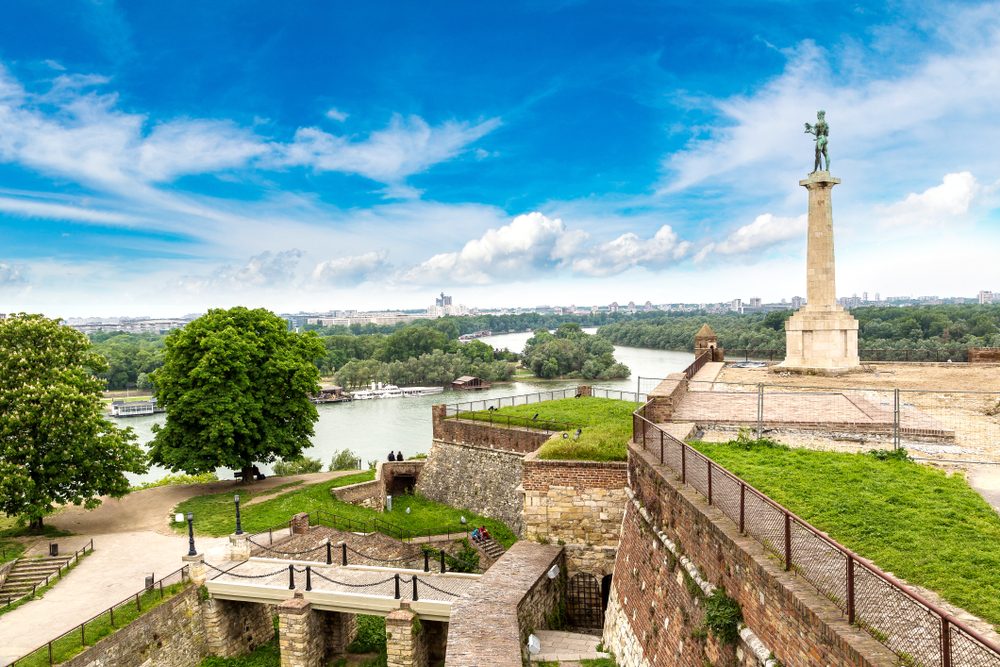
The Serbian dinar floats against the euro, and inflation since 2024 has nudged restaurant prices and hostel rates upward—but the country still delivers purchasing power that feels generous to visitors arriving from the Eurozone or North America. A mid-range hotel room in central Belgrade runs €50–70, half what you would pay in Ljubljana. A three-course dinner with local wine costs €15–25 per person at a neighborhood kafana, and city bus tickets sit at 100 dinars—roughly €0.85. Is Serbia expensive for tourists compared to its neighbors? It depends on the benchmark. Romania and North Macedonia undercut Serbian prices by 15–20%, while Croatia and Slovenia exceed them by 30–50%. Within Serbia, Belgrade commands a capital-city premium: accommodation and dining cost 25–35% more than in Niš or Novi Sad, though transport and museum admission remain uniform nationwide. The Kalemegdan Fortress charges 350 dinars for the Military Museum, a figure that holds whether you visit in spring or autumn. The budget breakdown shifts depending on your travel style. Hostel beds start at €12–18, mid-range hotels land at €50–80, and boutique properties in Dorćol or Savamala reach €100–140. Street food—burek, ćevapi, pljeskavica—runs €2–4 per serving, sit-down meals at local restaurants cost €8–15, and upscale dining in Skadarlija or along the Danube pushes €25–40. Public transport is efficient and cheap: a monthly pass costs less than €30, and taxis charge €0.80 per kilometer with no surge pricing. Groceries, beer and coffee remain inexpensive by European standards—a cappuccino averages €1.50, a half-liter of domestic beer €2–3. The country rewards flexibility. Travelers who eat where locals eat, book outside peak summer months, and use public transport over ride-hailing apps stretch their budgets further. Those chasing Western-style amenities—chain hotels, imported wines, English-language guided tours—pay closer to EU rates. Serbia's value proposition is not rock-bottom pricing but a middle ground: European infrastructure and safety at Balkan prices, with enough wiggle room to choose comfort without financial strain.
“Serbia's value proposition is not rock-bottom pricing but a middle ground: European infrastructure and safety at Balkan prices.”
Is Serbia Expensive for Tourists: A Comprehensive Cost Overview
Serbia remains a cost-effective destination for travelers in Europe, with daily expenses largely dependent on accommodation standards and dining choices. Visitors can expect moderate costs for essential travel needs while maintaining a comfortable pace.
How to spend less
- Purchase a daily transport pass to minimize individual fare costs.
- Focus dining on local bistros rather than international hotel restaurants.
- Utilize public transportation instead of taxis for city transit.
- Visit museums during standard weekday hours to avoid weekend pricing.
A budget-conscious traveler can manage on approximately 4,500 RSD per day, while a more comfortable experience typically requires 9,000 RSD per day.
Budget Tips: Is Serbia Expensive for Tourists Without These Strategies?
Navigating Belgrade affordably requires leveraging local transit systems and dining habits that differ significantly from standard tourist practices.
Public Transport Apps
Download the Beograd Plus app to purchase transit tickets digitally, avoiding the higher costs and complexity of paper tickets sold at kiosks. This allows for seamless use of the city's bus, tram, and trolleybus network at local rates.
Daily Lunch Menus
Look for 'Dnevni meni' signs in local restaurants, which offer a set lunch course for a fraction of the à la carte price. These menus are typically available on weekdays and cater primarily to local office workers.
Official Currency Usage
Always carry Serbian Dinar in cash for small purchases, as many kiosks and local bakeries do not accept cards. Using local currency avoids unfavorable exchange rates often applied by dynamic currency conversion at ATMs.
Ride-Sharing Alternatives
Use established ride-sharing applications instead of hailing street taxis to ensure transparent pricing based on the app's calculation. This prevents overcharging incidents frequently reported by visitors unfamiliar with local taxi fare structures.
Water Consumption
Belgrade tap water is safe and of high quality, so carry a reusable bottle to avoid the recurring cost of purchasing bottled water throughout the day.
Check availability
Frequently Asked Questions About Visiting Serbia
Everything you need to know about is serbia expensive for tourists