

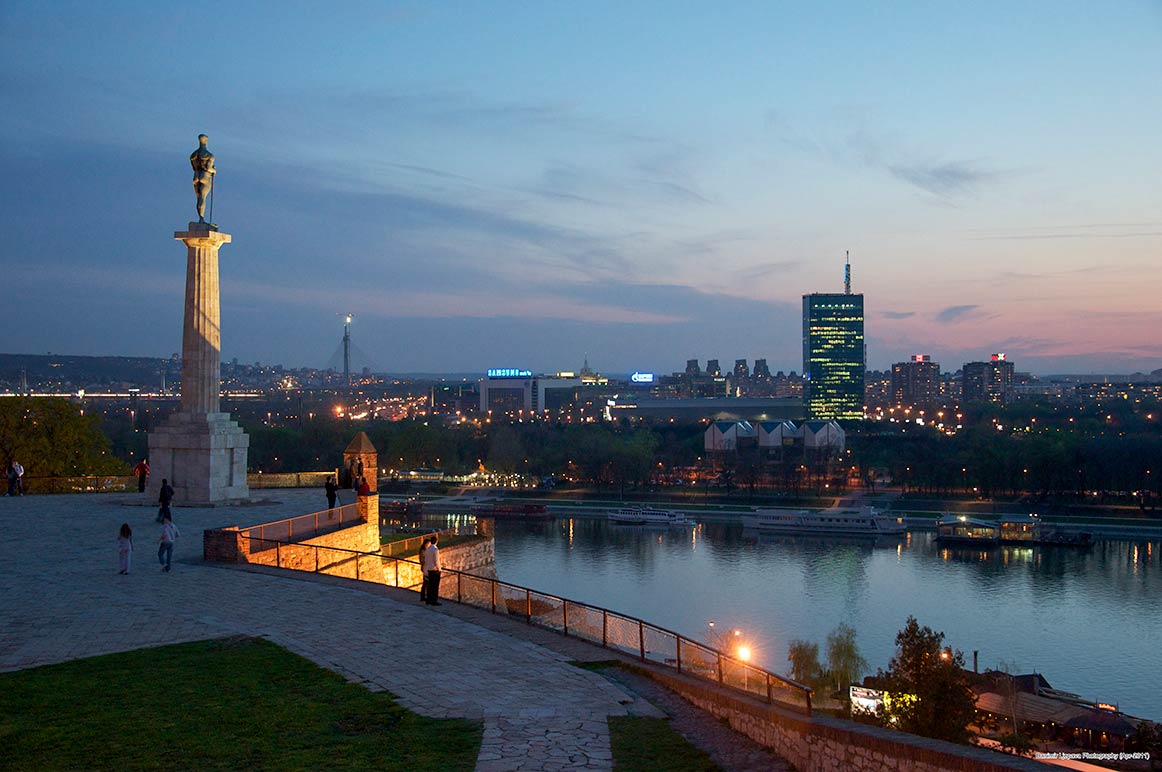
Quick answer
Belgrade is worth visiting if you value authentic urban energy over postcard aesthetics. The city offers free access to Kalemegdan Park and Belgrade Fortress year-round, strong nightlife along the Danube and Sava rivers, and meals averaging under 1,500 RSD. It suits travelers seeking raw Balkan character, live music culture, and a base for exploring Serbia—not those expecting Western European polish or conventional sightseeing infrastructure.
Belgrade operates without an admission gate. Kalemegdan Park and the fortress grounds are open 00:00–23:59 every day of the year at zero cost, a fact that sets the tone for the entire city. Individual museums within the complex charge modest fees, but the ramparts, river views, and the confluence of the Sava and Danube remain accessible to anyone at any hour. The question of whether Belgrade is worth visiting depends less on monuments than on appetite for a city still visibly processing its own history. Brutalist apartment blocks stand beside 19th-century villas. Ottoman wells sit inside Austrian bastions. Savamala, once an industrial no-go zone, now pulses with street art and warehouse clubs. The city does not curate itself for foreign approval, and that absence of performance is precisely what draws repeat visitors. Nightlife here is not a district—it is a structural feature of the culture. Splavovi, the floating river clubs moored along Ada Ciganlija and the Danube quays, operate from May through October and offer live turbo-folk, electronic sets, and rakija service until sunrise. Winter shifts the energy to Cetinjska and the clubs of Dorćol, where cover charges rarely exceed 500 RSD and drinks cost a fraction of what Western European capitals demand. Food operates on similar principles. A ćevapi plate in Skadarlija runs 600–900 RSD. Pljeskavica with kajmak and lepinja costs less than 700 RSD at neighborhood grills. The produce markets at Zeleni Venac and Kalenic function as social infrastructure, not tourist set pieces. Belgrade rewards travelers who treat it as a lived city rather than a checklist. If your travel style prioritizes efficient sightseeing loops, clear signage, and predictable service standards, other Balkan capitals will serve you better. If you want a city that still feels like it belongs to its residents—where a riverside fortress opens at midnight, where live brass bands play for tips in pedestrian zones, and where the best meal costs less than a museum ticket in Vienna—Belgrade delivers that with little ceremony and no apology.
“Belgrade operates without an admission gate, and that absence of performance is precisely what draws repeat visitors.”
Key Landmarks Proving Is Belgrade Worth Visiting
Belgrade offers a distinct urban character shaped by a blend of layered architecture and public spaces that serve as the city's social heart. These landmarks reflect the interplay between historical defense structures and the vibrant pedestrian culture of the modern capital.
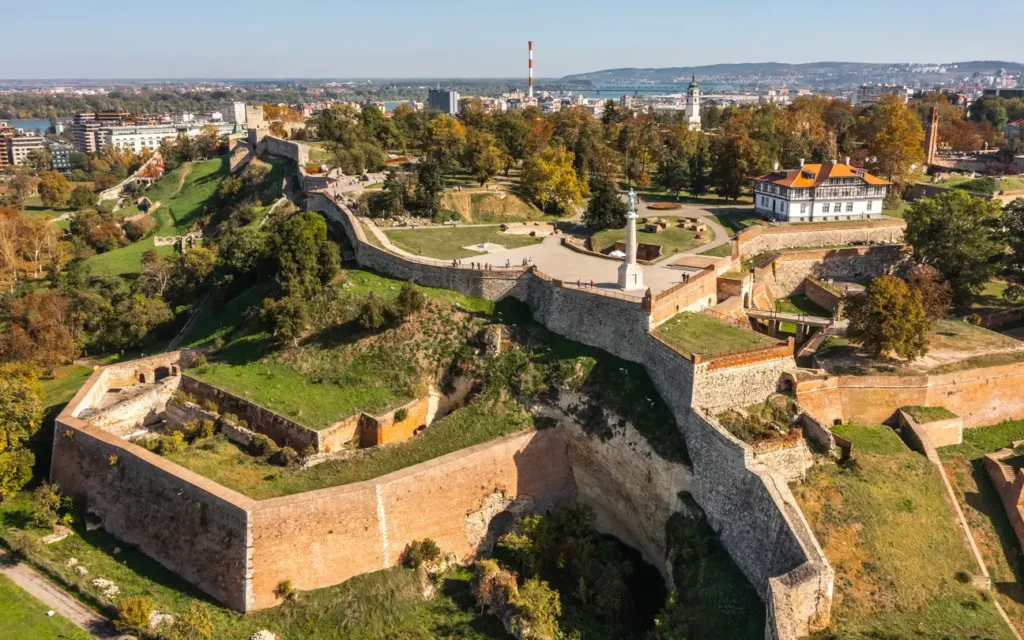
Belgrade Fortress
A sprawling complex located at the confluence of the Sava and Danube rivers, functioning as an open-air museum and park. Visitors can explore the fortifications and green spaces that anchor the city's defense history.
Walk to the Pobednik monument at sunset for river views.
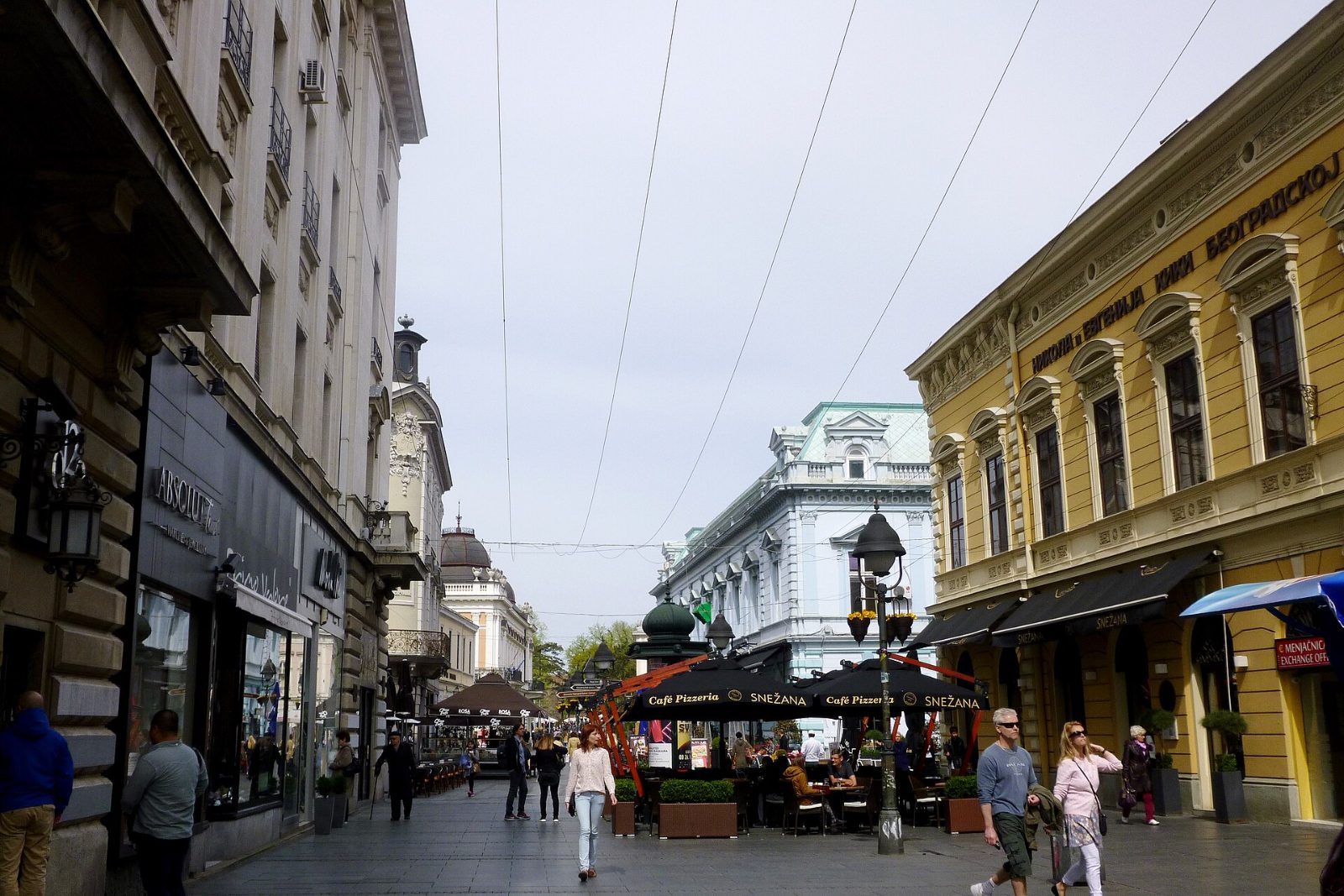
Knez Mihailova Street
The primary pedestrian thoroughfare connecting the city center to the fortress, lined with 19th-century buildings and cultural institutions. It serves as the main artery for local life, shopping, and street performance.
Visit early in the morning to photograph the architecture without crowds.
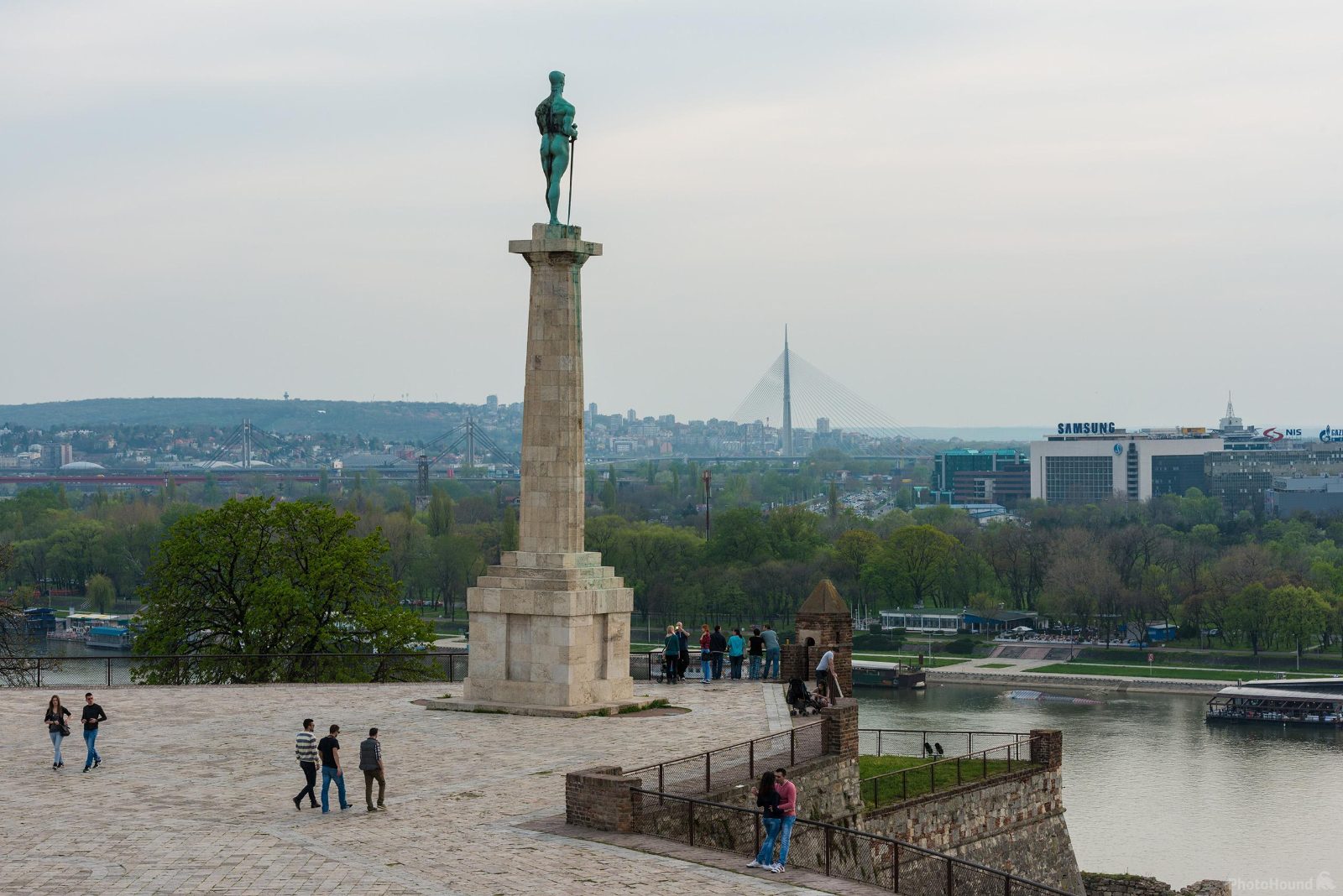
The Victor (Pobednik)
A landmark monument situated within the fortress grounds, commemorating the victory of the Kingdom of Serbia in the Balkan Wars. Its location provides an elevated vantage point over the river intersection.
Observe the sculpture silhouette against the sky from the lower ramparts.
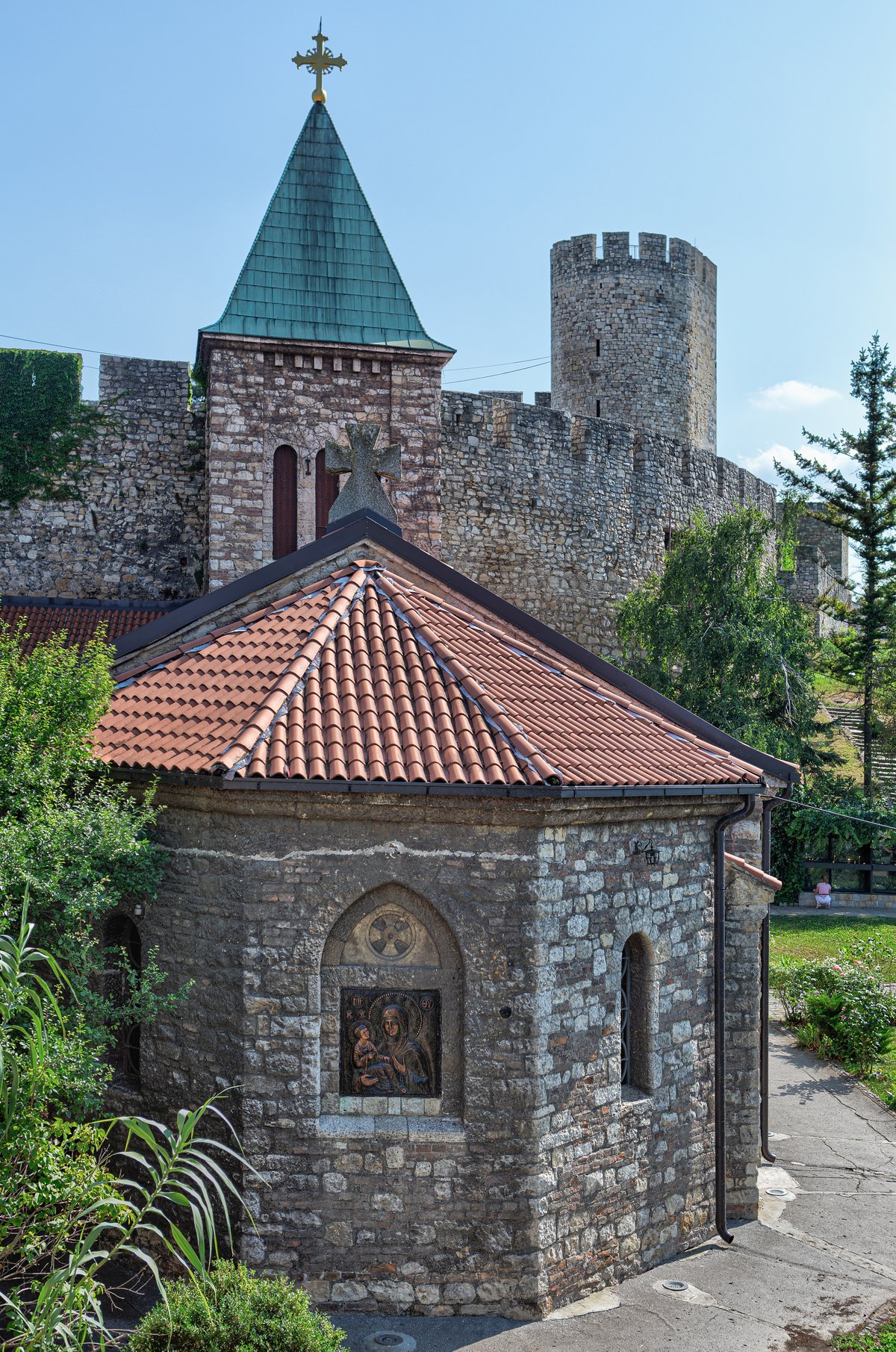
Ruzica Church
Located within the fortress, this church features unique entrance statues made of melted artillery shells. The structure is built into the ramparts, showcasing a distinct blend of religious and military elements.
Look for the shell-crafted soldiers flanking the entrance doors.
Determining When Is Belgrade Worth Visiting Based on Weather and Crowds
The most favorable time to visit Belgrade is during the mild shoulder seasons of spring and autumn, which offer comfortable temperatures for exploring the city on foot. For daily logistics, the best arrival window is 08:00–10:00 to avoid mid-day heat and weekend crowds.
Spring (April-May)
Moderate crowdsMild and pleasant, 15°C–22°C
This period features blooming parks and comfortable walking temperatures.
Summer (June-August)
High tourist volumeWarm to hot, 25°C–32°C
The city is lively, though afternoons can become quite hot.
Autumn (September-October)
Moderate crowdsCooler and stable, 12°C–20°C
Crisp air and autumn foliage provide clear conditions for sightseeing.
Weekday Mornings
Minimal foot traffic—
Arriving between 08:00–10:00 ensures a peaceful experience at major sites.
Verdict: For an optimal experience, plan your visit for Tuesday to Thursday during April or October, and prioritize arriving at sites between 08:00–10:00.
Is Belgrade Worth Visiting for Its Local Gastronomy?
Belgrade offers a diverse culinary landscape ranging from traditional kafanas to modern bistro culture. Exploring local gastronomy provides direct insight into Serbian hospitality and regional culinary traditions.
Skadarlija
€€€restaurant
A historic bohemian quarter in the city center known for traditional Serbian cuisine and live folk music performances.
Kalemegdan Park
€picnic
The park surrounding the fortress provides ample green space for visitors to enjoy local bakery goods purchased nearby.
Zeleni Venac Market
€market
Located near the city center, this active green market allows visitors to sample seasonal local produce, cheeses, and regional delicacies.
Dobar Dan
€€restaurant
Situated near the Republic Square, this establishment serves standardized Serbian grill dishes in a central location.
Dorćol District
€€café
This neighborhood features a dense concentration of independent coffee shops and modern eateries favored by local residents.
The Historical Layers Defining Is Belgrade Worth Visiting
Belgrade's strategic position at the confluence of the Sava and Danube rivers made it a prize fought over by empires for two millennia. The Romans established Singidunum here in the 1st century AD, a fortress anchoring their Danube frontier. By the 4th century, the settlement served as a key military outpost against migrating tribes. Following Roman collapse, the city passed through Byzantine, Avar, and Slavic hands before the Serbs fortified it in the 9th century. The name Beograd—"White City"—first appeared in a 878 letter from Pope John VIII, referencing its pale limestone walls. The medieval period brought relentless sieges. The Ottoman Empire captured Belgrade in 1521 after Sultan Suleiman the Magnificent overwhelmed its defenses, transforming it into a provincial capital for nearly three centuries. Habsburg Austria briefly controlled the city from 1717 to 1739, leaving baroque fortifications visible today in Kalemegdan's upper town. Serbia reclaimed independence in 1867 when the last Ottoman garrison withdrew, and Belgrade became the capital of the Kingdom of Serbia in 1882. The assassination of Archduke Franz Ferdinand in 1914 by a Serbian nationalist triggered World War I; Austria-Hungary bombarded Belgrade within weeks, reducing much of the city to rubble. The 20th century compounded the destruction. Nazi Germany occupied Belgrade in 1941, and Allied bombing in 1944 leveled industrial districts. Post-war reconstruction under Tito's Yugoslavia brought socialist-era architecture and monuments commemorating partisan resistance. NATO airstrikes in 1999 damaged bridges and government buildings, scars still debated in public memory. Visitors today walk through Kalemegdan Fortress—where Roman wells, Ottoman gates, and Habsburg bastions coexist—and encounter this layered past in cafes occupying former powder magazines, making is belgrade worth visiting a question answered by visible history itself.
Romans establish Singidunum as a Danube frontier fortress, anchoring defenses against northern tribes.
First written record of "Beograd" appears in a papal letter, referencing the city's pale stone walls.
Ottoman Sultan Suleiman the Magnificent captures Belgrade after a prolonged siege, beginning three centuries of Ottoman rule.
Habsburg Austria occupies Belgrade, constructing baroque fortifications still visible in Kalemegdan's upper town.
The last Ottoman garrison withdraws; Serbia regains full control and declares Belgrade its capital in 1882.
Austria-Hungary bombards Belgrade at the outbreak of World War I, destroying large sections of the city.
Nazi occupation and Allied bombing campaigns reduce Belgrade's infrastructure to ruins during World War II.
NATO airstrikes target bridges and government buildings during the Kosovo conflict, leaving contested physical and political legacies.
Entrance Fees and Is Belgrade Worth Visiting on a Budget
Admission costs in Belgrade depend primarily on whether visitors choose state-run historical sites or municipal parks. While many public areas remain accessible at no cost, specific museums and fortress interiors require individual entry fees.
A typical adult pays 0 RSD to explore the main fortress grounds, with total costs depending on the number of individual museum or interior site tickets purchased.
Combining Destinations When Considering Is Belgrade Worth Visiting
Belgrade is structured in a way that allows visitors to pair central historical exploration with distinct cultural and architectural landmarks. Many notable sites are reachable within a short transit or walk from the city center, facilitating a cohesive itinerary.
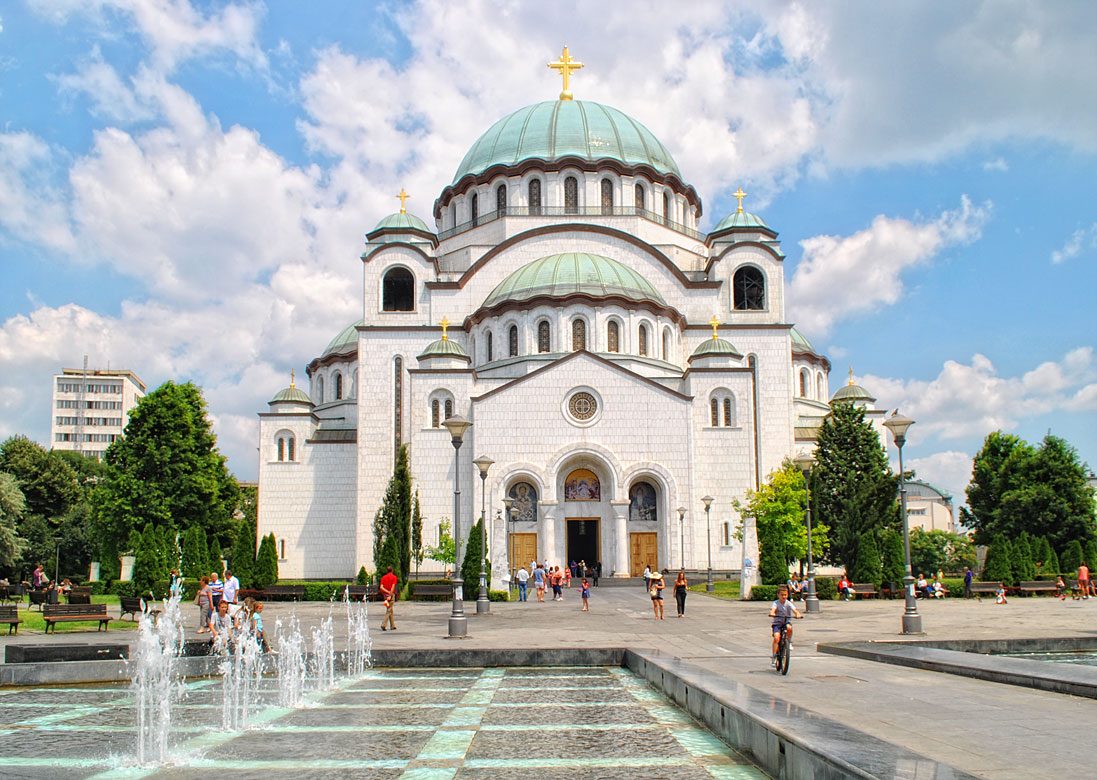
Temple of Saint Sava
As one of the largest Orthodox church buildings in the world, this site offers a contrast to the medieval military architecture of the fortress area.
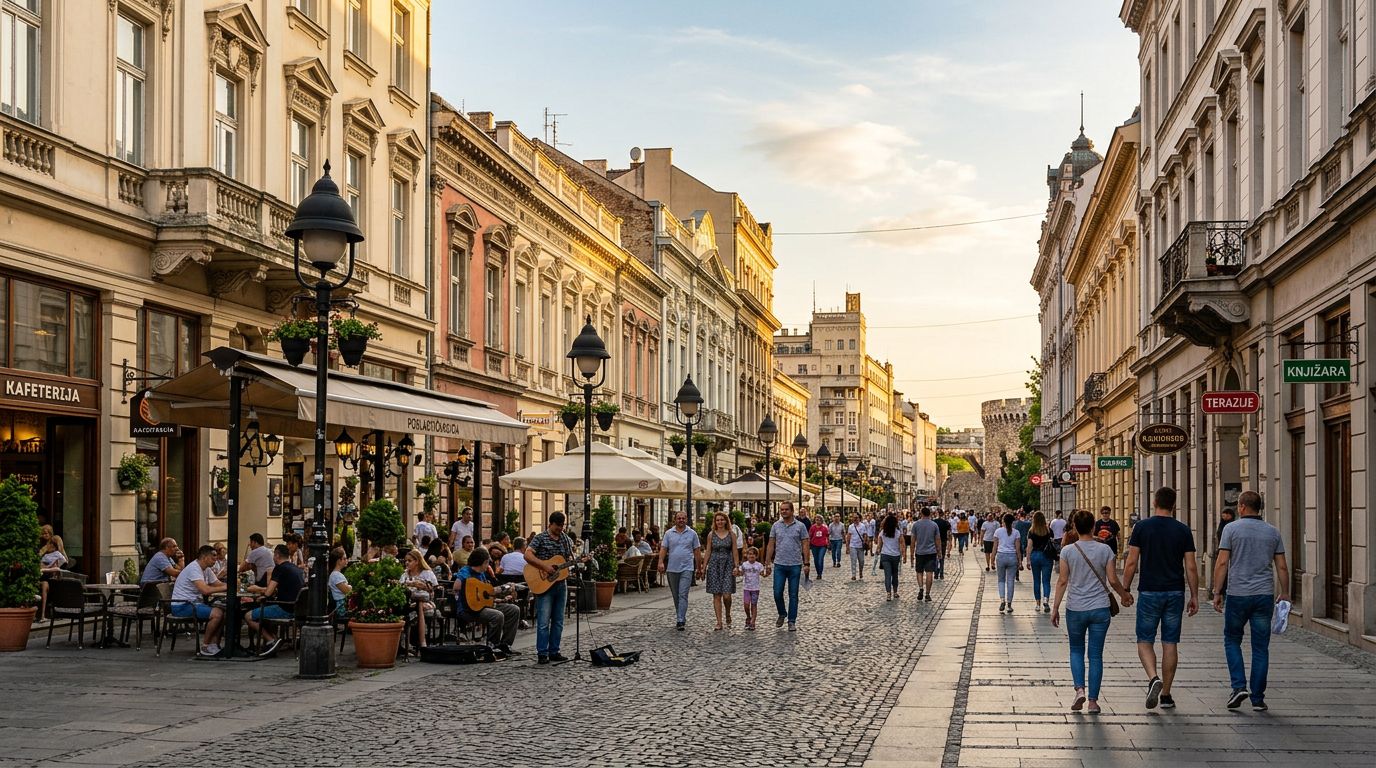
Knez Mihailova Street
This pedestrian zone serves as the primary route connecting the fortress to the city center, lined with 19th-century architecture and local cafes.
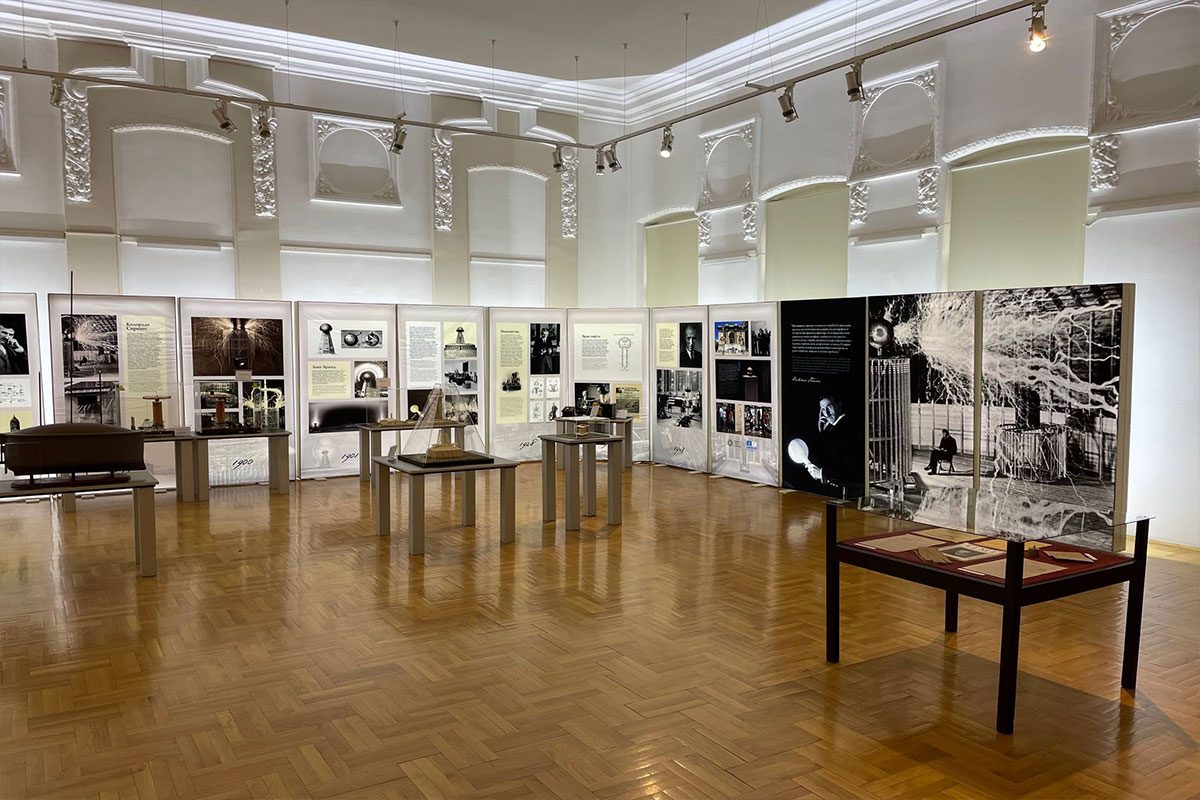
Nikola Tesla Museum
Dedicated to the life and inventions of the scientist, this museum provides a focused academic addition to a general city tour.
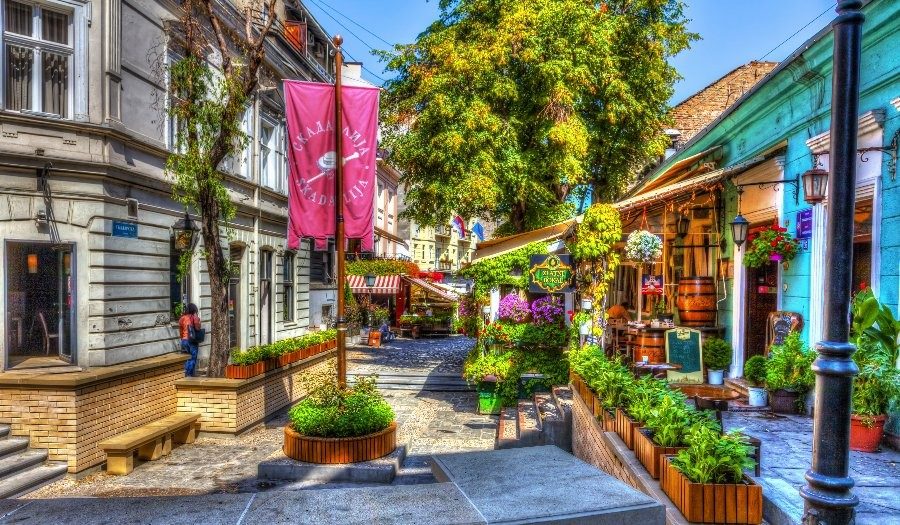
Skadarlija
Known as the old bohemian quarter, this area preserves 19th-century atmosphere and provides a logical location for experiencing local gastronomy after visiting the fortress.
Check availability
Frequently Asked Questions About Is Belgrade Worth Visiting
Everything you need to know about is belgrade worth visiting