

Quick answer
Is Belgrade safe for tourists? Yes — Serbia's capital registers low violent crime rates against visitors, with most incidents involving pickpocketing in crowded areas or unlicensed taxi overcharging. The city center, Dorćol, and Zemun districts are well-patrolled and pose minimal risk during daylight hours. Standard urban precautions — securing valuables, using licensed transport, avoiding confrontations near late-night venues — cover the majority of scenarios travelers encounter.
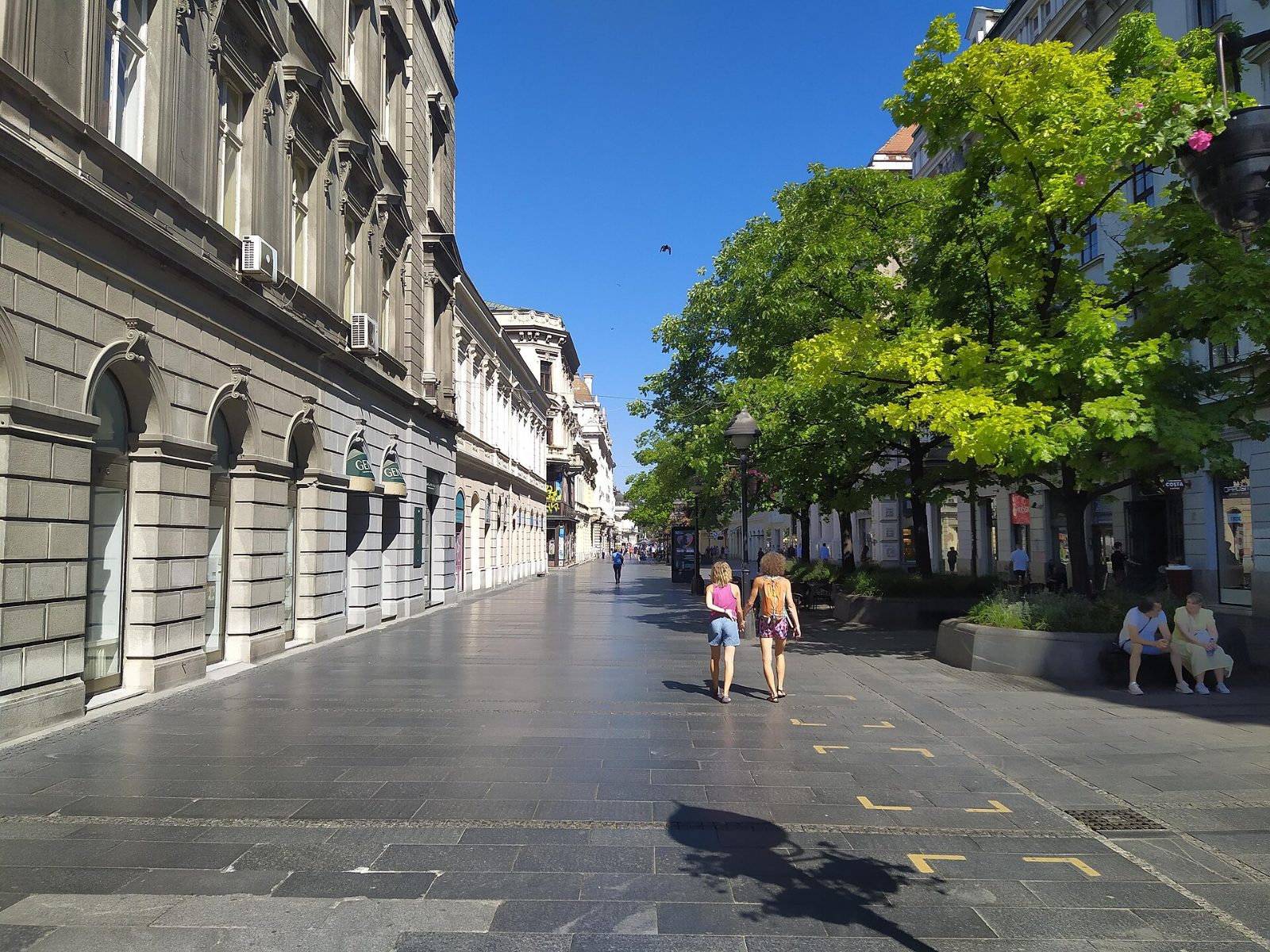
Belgrade's homicide rate sits below 1.5 per 100,000 residents, comparable to Vienna or Prague, and violent crimes targeting tourists remain exceptional rather than routine. The Serbian Ministry of Interior reports that foreign nationals account for fewer than 2% of crime victims annually, with the vast majority of cases involving non-violent property offenses. This statistical baseline contradicts outdated perceptions rooted in the 1990s conflict era, which ended more than two decades before 2026. Petty theft concentrates in predictable environments: the pedestrian zone along Knez Mihailova, public transport during rush hours, and outdoor café terraces in Skadarlija. Pickpocket teams typically work in pairs, with one creating a distraction while the other targets bags or jacket pockets. Unlicensed taxi drivers at Nikola Tesla Airport and the central bus station quote inflated fares, sometimes five times the metered rate. The city's official taxi services — identifiable by roof-mounted signs displaying company names and phone numbers — eliminate this risk entirely. Neighborhood safety in Belgrade correlates strongly with pedestrian density and lighting infrastructure. The central municipality, bounded by Terazije, Republic Square, and Kalemegdan Fortress, maintains consistent foot traffic until midnight and benefits from renovated streetlighting installed between 2023 and 2025. Savamala, the riverside district undergoing rapid development, presents mixed conditions: the main Ada Ciganlija recreation area is well-maintained and patrolled, while side streets toward the port retain industrial character with sparse evening activity. New Belgrade's residential blocks, designed during the socialist period, can feel isolated after dark due to wide spacing between buildings, though violent crime remains uncommon. Police response infrastructure improved markedly following Serbia's EU accession negotiations, with English-speaking officers now standard at central station posts and tourist information points. Emergency services operate on the pan-European 112 number, with average response times in the city center under eight minutes. The U.S. Embassy in Belgrade and consulates from EU member states maintain updated safety advisories that reflect ground conditions more accurately than generalized Balkans travel warnings. Seasonal factors play a minor role: summer evenings see higher concentrations of visitors in nightlife districts like Cetinjska and Beton Hala, where alcohol-fueled disputes occasionally occur but rarely involve tourists directly. Winter months bring reduced daylight hours, making early-evening navigation of peripheral neighborhoods less intuitive, though crime statistics show no corresponding spike in incidents.
“Belgrade's homicide rate sits below 1.5 per 100,000 residents, comparable to Vienna or Prague, and violent crimes targeting tourists remain exceptional rather than routine.”
Is Belgrade Safe for Tourists? Fact vs. Fiction
Belgrade is often subject to outdated perceptions rooted in regional history rather than its current status as a stable European capital. These misconceptions frequently overlook the city's modern security profile and low rates of violent crime.
MythBelgrade is a dangerous war zone
FactBelgrade is a peaceful European capital with a stable political environment and low crime rates.
MythThe city is not safe to walk in at night
FactThe city center and populated areas remain safe for visitors during evening hours, consistent with other major European cities.
MythTourists are frequently targeted for violent crime
FactViolent crime against visitors is rare in Belgrade, as the city prioritizes public safety and security for all travelers.
Common Mistakes to Avoid When Considering Is Belgrade Safe for Tourists
Belgrade is generally safe, but visitors sometimes overlook basic precautions that leave them vulnerable to petty theft. A few simple habits prevent most incidents.
Leaving bags unattended at cafés or train stations
Keep belongings within sight at all times, especially in busy transit hubs like the central bus and train stations where thieves target distracted travelers.
Displaying expensive phones or jewelry in crowded areas
Use front pockets for phones, keep valuables concealed, and stay alert in packed buses, markets, and nightlife districts like Savamala after dark.
Walking alone through poorly lit areas late at night
Stick to well-lit main streets after midnight, use registered taxis or ride-hailing apps, and avoid shortcuts through parks or unlit alleys.
Carrying passports and large cash amounts while sightseeing
Leave passports in hotel safes, carry only necessary cash and one card, and split money between pockets to limit loss if pickpocketed.
Ignoring local advice about specific neighborhoods or times
Ask hotel staff or locals which areas to avoid after dark—some industrial zones and remote riverbank sections see less foot traffic and fewer patrols.
Is Belgrade Safe for Tourists: Essential Conduct and Etiquette
Belgrade operates on relaxed Balkan social codes, but a few safety-conscious habits help visitors navigate the city smoothly. Respectful behavior and awareness of local norms prevent misunderstandings and keep interactions pleasant.
Do
- Keep small bills separate when paying to avoid flashing large denominations
- Greet shopkeepers and staff with a simple "dobar dan" before transacting
- Stay aware of your surroundings in crowded markets and transport hubs
- Use official taxi services or ride apps rather than unmarked vehicles
- Ask permission before photographing locals, especially in traditional or residential areas
- Keep belongings secure and close in busy pedestrian zones
Don't
- Don't leave bags unattended at cafés or on public transport seats
- Avoid discussing sensitive political topics with strangers or service staff
- Don't accept unsolicited help with ATMs or currency exchange from strangers
- Refrain from walking alone through poorly lit parks or empty streets late at night
- Don't assume everyone speaks English; learn basic Serbian courtesy phrases
- Avoid ostentatious displays of wealth like expensive jewelry in public spaces
How to Navigate Safely When Planning Is Belgrade Safe for Tourists
Belgrade is a public city accessible via major transit hubs, with the most secure navigation achieved by using official transport operators. Travelers are advised to prioritize licensed services when moving between the airport and the city center.
Official airport taxi desk to City Center
Line A1 from Belgrade Airport to Slavija Square
Public transport lines 72 or 607 to city center
Is Belgrade Safe for Tourists: Pre-Visit Safety Checklist
Prepare these essentials before arriving in Belgrade to ensure a smooth and secure visit.
-
Carry valid photo identification at all times — Police may request ID during routine checks or when entering certain venues.
-
Save digital copies of your passport and insurance — Enables quick replacement and proof of identity if originals are lost or stolen.
-
Note Serbia's emergency numbers: 192 (police), 194 (ambulance) — Immediate contact with local services can be critical in urgent situations.
-
Download offline maps of Belgrade neighborhoods — Cellular data may be unreliable in some areas; offline navigation prevents getting lost.
-
Inform your bank of travel dates to Serbia — Prevents card blocks from fraud alerts when you make transactions in Belgrade.
-
Pack a small first-aid kit with basic medications — Pharmacies are accessible, but having essentials on hand addresses minor issues immediately.
-
Check your accommodation's neighborhood safety profile — Knowing which areas are well-lit and busy helps you plan safer routes after dark.
Check availability
Frequently asked questions about is belgrade safe for tourists
Everything you need to know about is belgrade safe for tourists